The global financial markets are once again in a state of dynamic flux today, with investors carefully weighing inflation concerns, shifting central bank rhetoric, and geopolitical developments. From resilient equities to fluctuating commodity prices and an ever-watchful eye on currency movements, understanding the daily pulse of the market is crucial for informed decision-making. Here’s a comprehensive look at the latest movements and what’s driving them.
Global Equities Shrug Off Early Jitters, Eye Inflation Data
Major equity indices across the globe showed a mixed-to-positive performance by midday, recovering from an earlier dip fueled by renewed concerns over sticky inflation. In the United States, the S&P 500 and Nasdaq Composite edged higher, primarily supported by a rally in technology and growth stocks. Analysts point to strong corporate earnings reports from several key players this week, which have provided a much-needed boost to investor sentiment, suggesting underlying economic resilience despite broader macroeconomic headwinds.
European markets, including the FTSE 100, DAX, and CAC 40, also saw modest gains. While manufacturing data from Germany suggested ongoing weakness, positive consumer confidence figures helped temper concerns. Asian markets had a more varied session, with China’s Shanghai Composite closing marginally lower amidst ongoing property sector worries, while Japan’s Nikkei 225 ended flat, digesting the latest Bank of Japan commentary.
Commodities: Oil’s Resilience, Gold’s Haven Appeal
Commodity markets presented a dual narrative today. Crude oil prices (both WTI and Brent benchmarks) maintained their recent upward trajectory, hovering around multi-month highs. This resilience is attributed to a combination of factors: ongoing OPEC+ production cuts, robust global demand projections, and renewed geopolitical tensions in key oil-producing regions. Investors are closely monitoring supply chain stability and any potential escalations that could further tighten the market.
Gold, the traditional safe-haven asset, also saw an uptick in its price. Despite a somewhat stronger dollar, the yellow metal found support from persistent inflation fears and the lingering uncertainties in the geopolitical landscape. This suggests that while risk appetite has improved slightly in equities, a significant portion of the market remains cautious, seeking refuge in assets perceived as hedges against economic instability.
Currencies: Dollar Dominance Under Scrutiny
The U.S. Dollar Index (DXY), which measures the dollar against a basket of six major currencies, was largely stable after a week of moderate fluctuations. The market is increasingly parsing statements from Federal Reserve officials for clues on future monetary policy. While a significant rate hike pause is widely expected at the next FOMC meeting, the prospect of prolonged higher interest rates continues to underpin the dollar’s value.
Against this backdrop, the Euro showed slight weakness following dovish remarks from a European Central Bank (ECB) policymaker hinting at potential rate cuts sooner than previously anticipated if inflation continues to decelerate. The Japanese Yen remained under pressure, struggling against the stronger dollar as the Bank of Japan maintains its ultra-loose monetary policy stance, creating a widening interest rate differential. The British Pound held steady, awaiting fresh economic data later in the week.
Central Banks in the Spotlight: The Path Forward
Today’s market movements were heavily influenced by the ongoing narrative surrounding global central banks. The market is caught between the desire for easing monetary policy and the reality of persistent inflation. Fed Chair Jerome Powell’s upcoming speech later this week is eagerly awaited for any subtle shifts in tone or forward guidance. Similarly, the ECB’s messaging and the Bank of England’s deliberations are critical for European and UK market direction, respectively.
The consensus seems to be shifting from “higher for longer” to a more data-dependent approach, where central banks are prepared to adjust policy based on incoming inflation and employment figures. This uncertainty breeds volatility but also creates opportunities for agile investors.
Economic Indicators: A Mixed Bag of Data
Recent economic data presented a mixed picture, reinforcing the complex environment markets are navigating. While the latest unemployment claims in the U.S. came in slightly higher than expected, signaling a potential cooling of the labor market, retail sales figures demonstrated surprising resilience. In Europe, while manufacturing PMIs (Purchasing Managers’ Index) remain subdued, indicating industrial contraction, services PMIs are holding up relatively well, suggesting a more robust consumer sector.
These divergent indicators make the job of central bankers challenging, as they seek to balance inflation control with supporting economic growth. Investors are meticulously scrutinizing every data point for clues on the economy’s true health and its implications for future policy moves.
Geopolitical Tensions: A Persistent Undercurrent
While not dominating headlines with fresh crises, underlying geopolitical tensions continue to cast a shadow over global markets. Ongoing conflicts in Eastern Europe and the Middle East, along with strategic competition between major global powers, contribute to supply chain uncertainties and elevate risk premiums in certain sectors, notably energy and defense. Investors are increasingly factoring geopolitical risk into their long-term strategies, leading to periods of heightened caution and rotation into defensive assets.
The Week Ahead: What to Watch For
Looking ahead, the market’s focus will primarily be on key inflation reports, including the Producer Price Index (PPI) and revised Consumer Price Index (CPI) data from various major economies. Further speeches from central bank officials will also be closely scrutinized for any hints regarding the future trajectory of interest rates. Additionally, a slew of corporate earnings reports from major companies will continue to shape sector-specific performance and overall market sentiment.
Disclaimer: The following list of cryptocurrencies is hypothetical and illustrative of potential market trends based on common factors like market capitalization, recent news, technological developments, and community engagement. Cryptocurrency markets are highly volatile, and actual daily trending assets can change rapidly. This information is for informational purposes only and not financial advice.
Top 10 Trending Cryptocurrencies of the Day (Hypothetical)
Based on a hypothetical assessment of market activity, news cycles, and social media engagement for today, here are ten cryptocurrencies that might be capturing significant investor and trader interest:
-
- Bitcoin (BTC): Always a trendsetter, driven by macro news, ETF speculation, and its upcoming halving event.
-
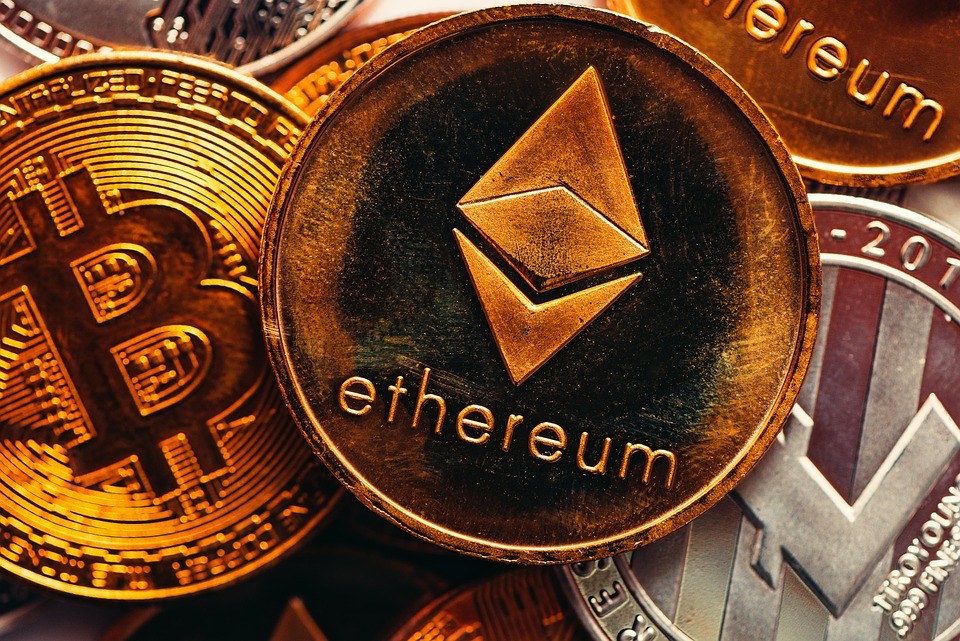
- Ethereum (ETH): Benefiting from ecosystem growth, Layer 2 scaling solutions, and upcoming network upgrades.
-
- Solana (SOL): Frequently trending due to its high transaction speeds, growing DeFi ecosystem, and meme coin activity on its network.
-
- Ripple (XRP): Often in the news due to its ongoing legal developments and partnerships, driving speculation.
-
- Dogecoin (DOGE): A perennial favorite, trending with celebrity endorsements and broader meme coin hype cycles.
-
- Cardano (ADA): Trending with updates to its development roadmap, dApp growth, and community engagement.
-
- Chainlink (LINK): Essential infrastructure, often trending as its oracle services integrate with more projects across various blockchains.
-
- Polkadot (DOT): Gains traction with its parachain auctions, interoperability solutions, and ecosystem growth.
-
- Litecoin (LTC): Often sees renewed interest around its own halving events or as a ‘digital silver’ narrative gains traction.
-
- Avalanche (AVAX): Trending for its subnet architecture, gaming focus, and growing presence in the enterprise blockchain space.