By Nadja – July 6, 2026
Introduction to Global Crypto Regulations Status July 2026
Global crypto regulations status July 2026 shows a maturing landscape with increasing clarity and adoption worldwide. From the US advancing landmark bills during Crypto Week to Europe’s MiCA full implementation, regulators are balancing innovation with consumer protection. This detailed article explores the current state of crypto regulation across key regions, its impact on cryptocurrencies, tokens, DeFi, blockchain, crypto market, crypto trading, and new crypto projects, with educational explanations for beginners and strategic insights for investors. Keywords like Bitcoin regulation, Ethereum global rules, and crypto regulation 2026 reflect high search interest.
United States: Leadership Through Clarity and Innovation
The US is setting the pace with proactive legislation. “Crypto Week” in mid-July will address the CLARITY Act (market structure), GENIUS Act stablecoin rules, and Anti-CBDC measures. These provide clear frameworks for tokens, exchanges, and DeFi, reducing uncertainty and attracting institutional capital.
SEC and CFTC are clarifying jurisdictions, with interpretations on digital assets aiding compliance. Stablecoin issuers face reserve and redemption standards, boosting confidence in USDT and USDC. This environment supports new crypto projects and blockchain innovation while addressing AML and consumer protection.
European Union: MiCA Full Implementation Drives Compliance
July 1, 2026, marked the end of MiCA transitional periods. Crypto-Asset Service Providers (CASPs) must now hold full authorizations to serve EU clients. The framework covers stablecoins, trading, custody, and more, promoting harmonized rules across 27 member states.
MiCA emphasizes reserve quality, governance, and significant token oversight by EBA/ESMA. While increasing compliance costs, it legitimizes the sector and encourages high-quality projects in DeFi and tokens. Countries like Germany and France are key hubs.
Asia: Varied Approaches from Leadership to Caution
Asia presents a mixed picture. Singapore and Hong Kong maintain progressive frameworks for licensing and innovation. Japan continues refining its rules for exchanges and stablecoins. India taxes crypto but allows trading with compliance. China maintains strict bans on trading and mining, though blockchain technology for non-crypto uses is encouraged.
Overall, Asia’s focus on consumer protection and financial stability influences global standards, with several nations advancing CBDC pilots alongside private crypto regulations.
Latin America, Africa, and Other Regions
Latin America shows growing adoption: El Salvador’s Bitcoin legal tender experiment continues, while Brazil and others implement licensing. Africa sees countries like Nigeria and South Africa developing frameworks to harness remittances and inclusion, though enforcement varies. Many emerging markets balance innovation with AML risks.
Global Trends and Impacts on Crypto Market
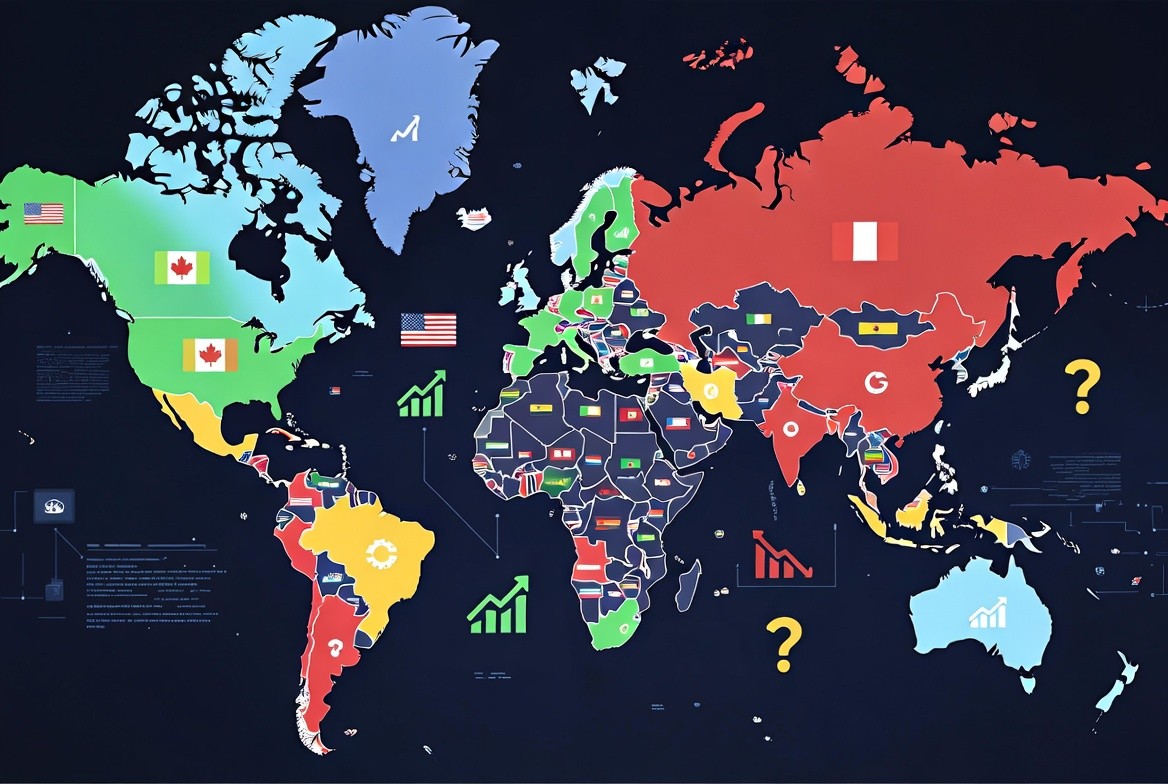
Key trends include Travel Rule expansion, stablecoin oversight, and integration of AI/blockchain compliance tools. Legal in 45 of 75 tracked economies, partial bans in 20, and full bans in 10—G20 nations largely support regulated activity.
Impacts: Clearer rules boost institutional inflows, ETF approvals, and RWA tokenization. Challenges include compliance costs for smaller projects and cross-border fragmentation. Positive for long-term growth in DeFi, new tokens, and blockchain adoption.
Investment Advice in the Current Regulatory Environment
Navigate by favoring compliant jurisdictions and projects. Bitcoin and Ethereum remain core for stability. Explore regulated DeFi and RWA tokens for yield. Diversify globally but monitor enforcement. Beginners: Use licensed exchanges and focus on education. Long-term holders benefit from regulatory maturation. Always DYOR and manage risk appropriately.
Top Ten Trending Cryptocurrencies of the Day – July 6, 2026
- Bitcoin (BTC) – Leading rally amid positive sentiment.
- Ethereum (ETH) – Key for DeFi and smart contracts.
- Solana (SOL) – High-performance blockchain.
- BNB – Ecosystem utility.
- XRP – Payments with regulatory focus.
- Bittensor (TAO) – Promising decentralized AI.
- Render (RENDER) – AI compute infrastructure.
- NEAR Protocol (NEAR) – AI-optimized Layer 1.
- Hyperliquid (HYPE) – Derivatives momentum.
- ASI/FET – Autonomous agents ecosystem.
Conclusion: A More Regulated Yet Innovative Global Crypto Landscape
The global crypto regulations status July 2026 reflects progress toward legitimacy and growth. While challenges remain, clearer rules are fostering confidence and innovation in cryptocurrencies and blockchain. Stay informed and position portfolios accordingly for the evolving market.
Sources
- Atlantic Council Crypto Regulation Tracker
- US House Crypto Week
- Elliptic 2026 Outlook
- Latham & Watkins US Tracker
- PwC Global Crypto Regulation Report and other trackers.